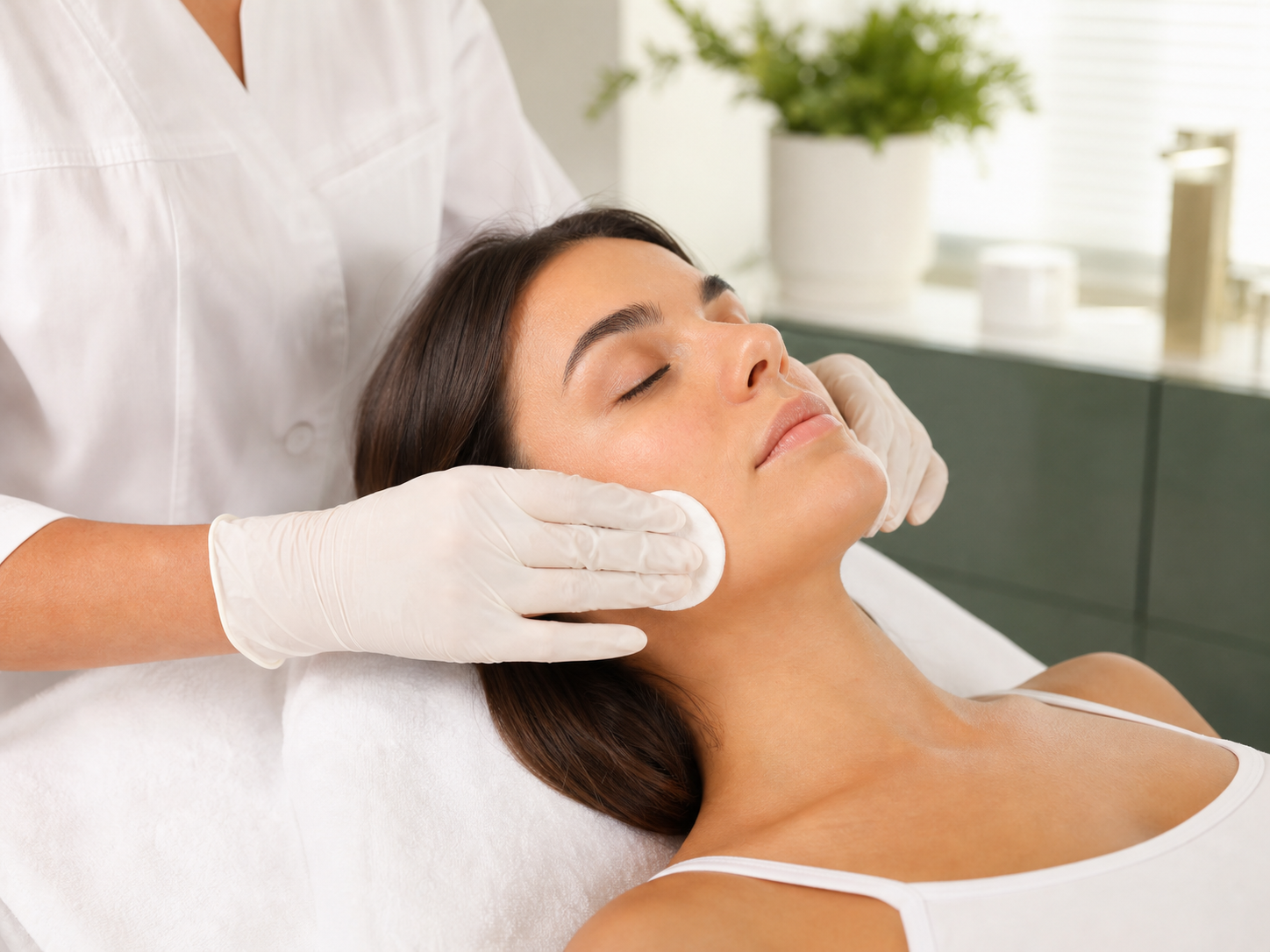
Skin care does not require a long list of products. Gentle cleansing, moisturizing according to the skin's needs and daytime sun protection are a good starting point for most people. It is equally incorrect to say that home care is always inadequate or to assume that every blackhead requires a procedure.
Why do blackheads form?
Oil and dead cells can accumulate at the pore opening. The dark color of an open comedone does not mean it is “dirt”; its contents change color when exposed to air. Forceful squeezing and rubbing can increase irritation. If inflamed spots accompany comedones, the acne should be assessed separately.
What should be considered in a daily routine?
Washing the face with lukewarm water and a gentle cleanser, using moisturizer when needed and protecting the skin from the sun are the basic steps. Product selection may differ for dry, oily or sensitive skin; there is no need to layer numerous acids, toners or serums. The AAD's face-washing recommendations emphasise avoiding hot water and harsh rubbing.
When is medical skin care considered?
If persistent blackheads, inflammatory acne or marked sensitivity are present, the nature of the problem is determined first. Medical skin care Medical skin care is a procedure that may be discussed for some people; it does not replace the diagnosis and treatment of acne. The statement that “steam opens the pores” is not a basis for a decision either: pores do not open and close like doors, and excessive heat can irritate the skin. The AAD's guide to pore care focuses on gentle cleansing and avoiding irritation.
Suitability for skin care, products used and post-procedure advice should be determined according to the skin's current condition. A particular sequence of products or procedure steps is not a standard prescription to be applied to everyone.